

Let’s celebrate one of the biggest national parties in the world!!! Enjoy the Brazilian Carnaval!!!
The Brazilian Carnival (spelled Carnaval in Portuguese) is an annual celebration held forty days before Easter in Brazil. It has some differences from its counterparts in Europe, as well there being variations across the large Brazilian territory. In the late 19th Century, the cordões (literally laces in Portuguese) were introduced in Rio de Janeiro, which consisted of groups of people who would walk on the streets playing music and dancing. The cordões were ancestors of the modern samba schools.

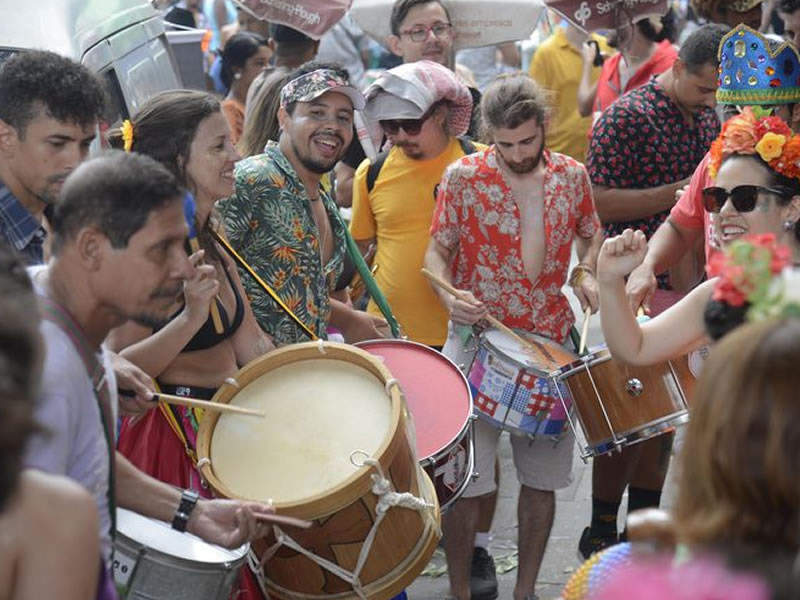
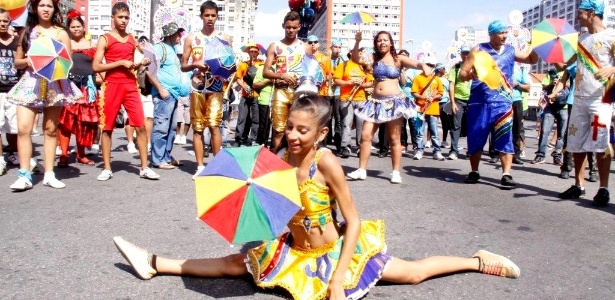
The blocos (street samba groups), another name for the cordões, are some of the current representations of the popular Brazilian Carnival. They are formed by people who dress in costumes according to certain themes, or to celebrate the carnival in specific ways. The schools of samba are truly organizations that work all year in order to prepare themselves for the samba schools parade.
The best-known Brazilian Carnival celebration takes place in Rio de Janeiro, with its samba schools, blocos and bandas occupying entire neighborhoods.
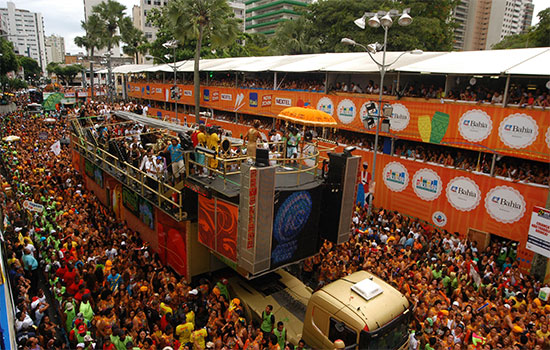
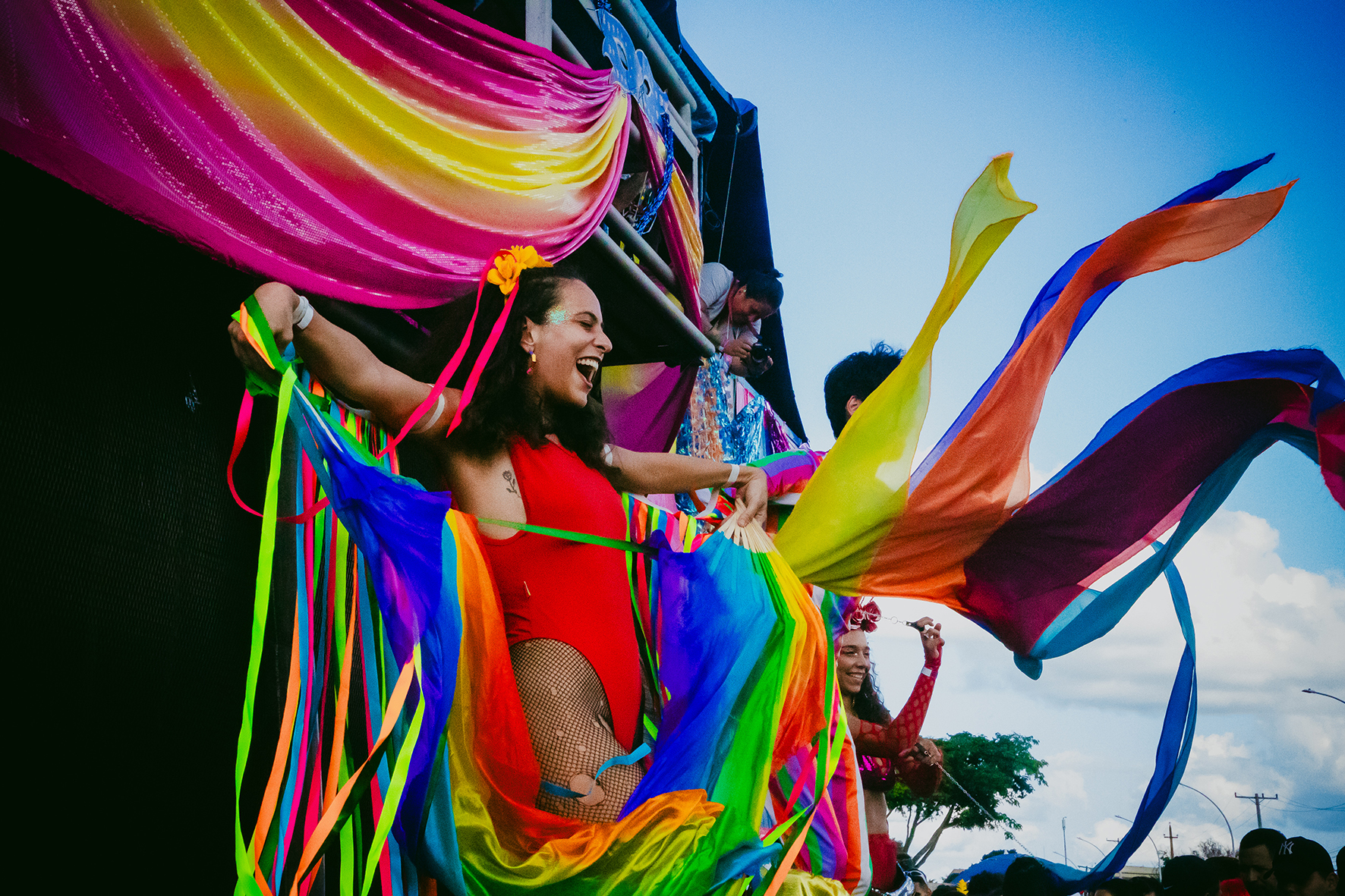
In Salvador and other cities of the Northeastern Region, there is another form of the Brazilian Carnival: the Trio Elétrico (name for a truck equipped with a high power sound system and a music group in top of it playing for a lot of people) is used in Brazilian Carnival inside the blocos carnavalescos and other many festivals in Brazil, as the micaretas (carnival out of season, introduced in 1949 in Bahia), where musicians play songs of local genres such as Axé music (a style of popular music which originated in Salvador, Bahia). The word comes from a ritual greeting that means good vibration and is used in the Candomblé and Umbanda religions) and Maracatu (Afro-Brazilian performance genre, coming from the city of Recife).
During the Carnival, a fat man is elected to represent the role of Rei Momo, the “king of Carnival”, whose rule is one of fun instead of that of everyday authorities. The tradition of the king probably originates with the tradition of the king and queen of maracatu which in turn has its origins in the days of slavery in the northeast where some slaves who were leaders were given greater responsibility.
CARNIVAL IN RIO DE JANEIRO
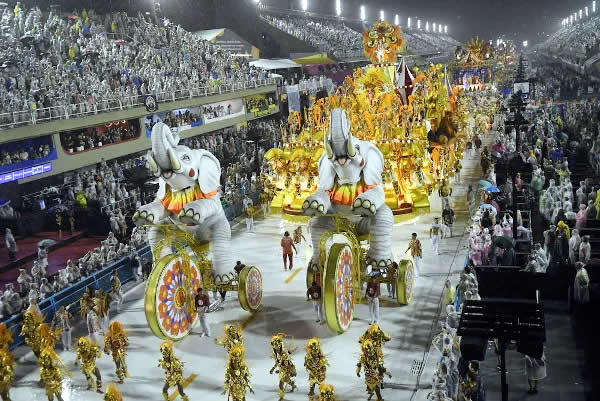
Carnival in Rio is one of the biggest and most famous parties in the world. The main attraction in Rio has traditionally been the parade of the samba schools in the custom built Sambódromo.
The big parade is not a chaotic sequence of scarcely clad mulatas as the TV-coverage abroad might suggest, but a highly formalized and extremely well prepared event. Each year 14 samba schools fight for the title of best parade. Every aspect is judged: from costumes to drumming.
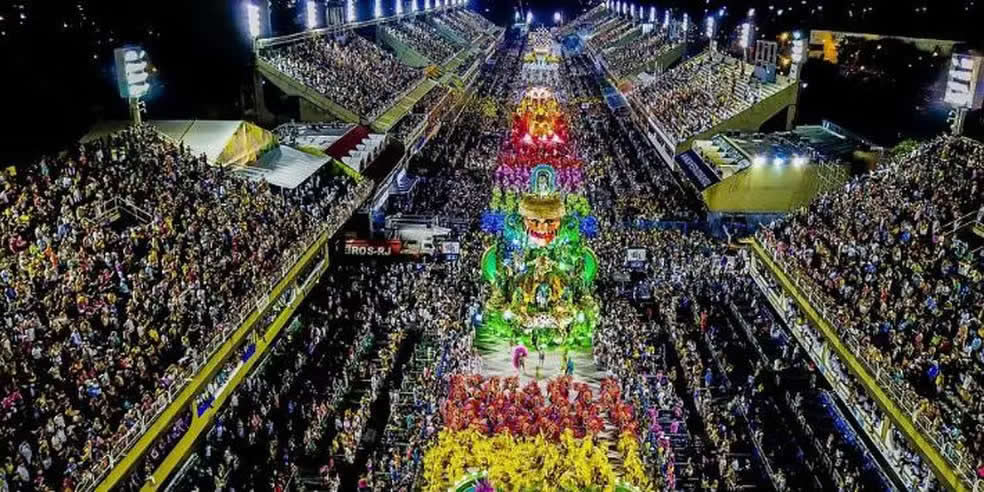
The schools choose a theme (enredo) for that year’s parade. This theme is used in the text of the samba in the costumes and in the floats. The themes vary hugely. The samba school called Beija-Flor, for instance, already represented the Jesuit presence in Brazil. The parade of a samba school starts with a Comissão de frente (first group of dancers of a school of samba). In the last years they have evolved into choreographed dance spectacles with swans and even Roman soldiers. There is a lot of creativity in this first group. They are followed by groups of people dressed in the same costume (this is called an ala) and up to eight floats. The drum section and singers usually end the parade. All together a school parades with up to 5.000 people.
This means that each night over 30.000 people are parading, watched by a crowd of 60.000 people. Both groups mix on their way to the Sambódromo. In the Subway you already see a fair sample of the costumes on display that night. The samba is rehearsed one last time, to make sure everybody can sing along.
If a school delivers a great parade, all the elements mentioned above blend together in a sea of color, movement, music and dance. And the public feels part of the parade as well, like you can feel part of a great rock concert. After 55 minutes the show is over, and there is no possibility of an encore. You just have to wait for the next school and hope that it is just as good. The 14 best schools (Grupo Especial) in Rio de Janeiro parade can be seeing on Globo TV network. With seven schools a night and 55 minutes per school, the program lasts until the following morning.
The six best schools parade again on Saturday (after carnival) in the Champion’s parade.
CARNIVAL IN BRASILIA
Brasília is a city that welcomes people all over the country (and the world!). Because of that, the Carnival in the capital is influenced by the parties that take place everywhere in Brazil. The Schools of Samba Parades (Escolas de Samba) and the Street Parties use to be the most common Carnival events in the city.
Brasilia’s Schools of Samba were traditional in the Carnival season. Unfortunately, they are not happening anymore due to short budget of the Distrito Federal’s government. But the blocos (Street samba bands) became a great attraction in the capital’s carnival. One of the best-known Carnival street band in Brasília is Pacotão, that jokes around with politicians and their most recent scandals. Now there are dozens of great carnival street bands and THE GUIDE will inform the carnival agenda for you.
The Carnival in Brasília is democratic; it is open to all rhythms and cultural manifestations. In the parades, the crowd is rocked by the loud and contagious Frevo (from the Brazilian state of Pernambuco), Axé Music (from Bahia), Samba (from Rio de Janeiro and São Paulo) and even line ups of DJs.
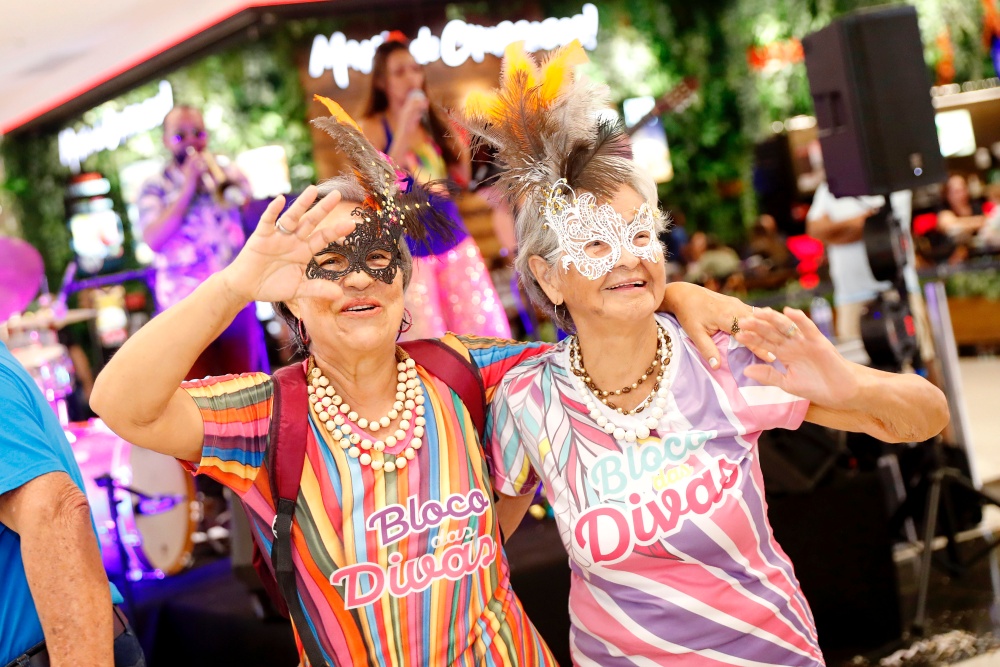
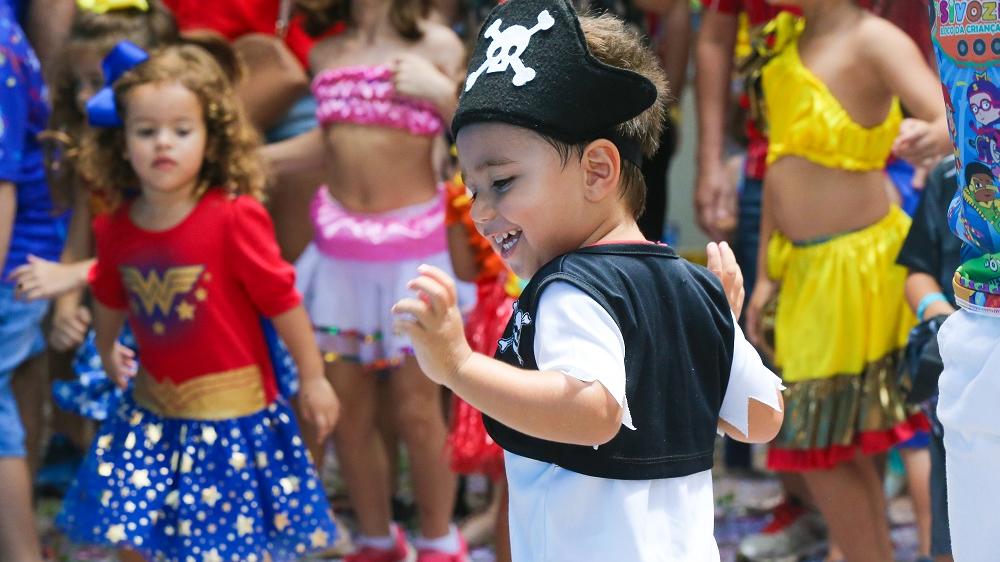
There are many carnival balls in the shopping centers and private clubs in the city. They are a very good choice to take the kids wearing customs. They love it!
Most of the carnaval events are secured by the police, although it is not recommended to take valuable items tand stay completely alone in street events.